

One Panamanian Travel Advisor’s Journey to the World Cup and What It Taught Me About Fan Travel
Sporting event travel is unlike any other kind of trip. And I say that as someone who has now lived it from both sides of the equation, as a traveler and as a travel advisor who designs journeys for a living.
If you thought planning the plays in a football match was a complex task, try putting together a World Cup itinerary. The skill required is not that different from a coach building a strategy. Every decision matters. If you are not in sync, it can be chaos. And chaos at a sporting event of this scale, in another country, with a language that might not be yours and streets you do not know, is a very different kind of chaos than forgetting to book a restaurant.
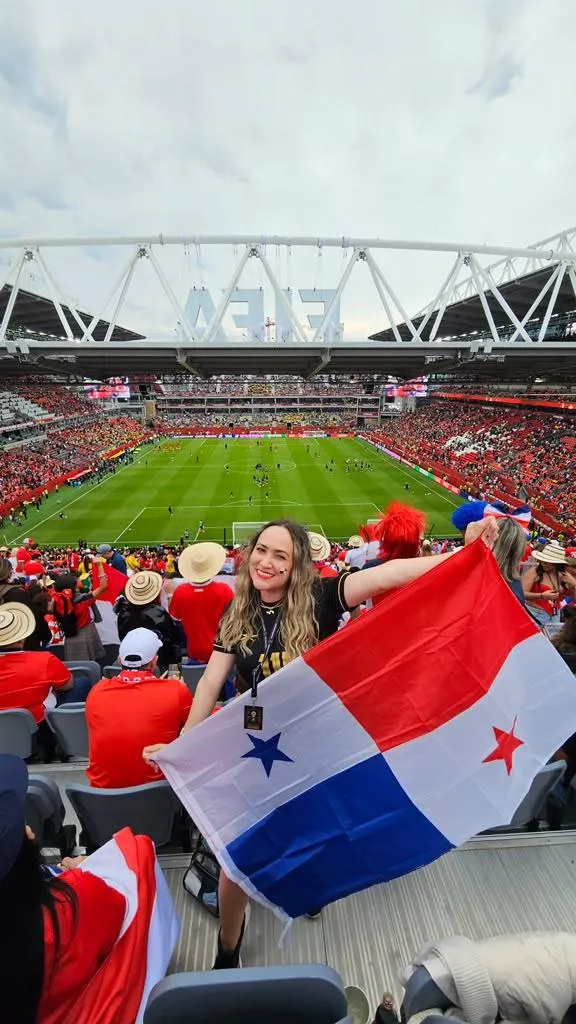
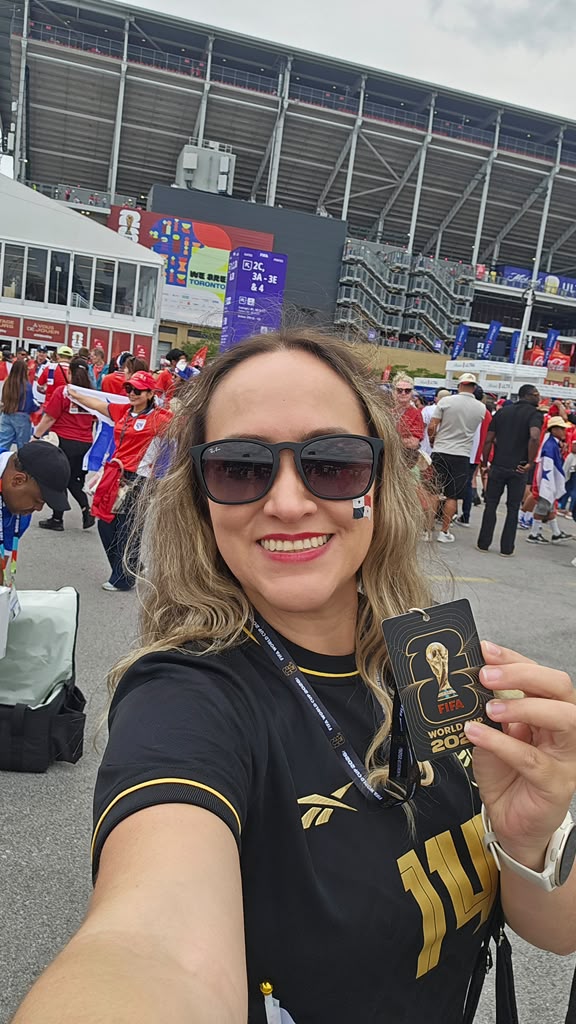
I traveled to the 2026 World Cup in Canada as a Panamanian fan. This was my country's second World Cup appearance in history. I want to be clear about what that means. It is not just excitement. It is something that sits in your chest for months before you even board the plane. And it changes everything about how you experience the trip.
Why Sporting Event Travel Is a Different Experience Than Any Other Trip
An event of this scale draws massive crowds and usually encourages group travel, a memorable experience but one that requires as much coordination and synergy as a team on the field. You are in another country. The language might not be yours. You do not know the streets. Time tests your patience. And every decision matters. If you are not in sync, it can feel like playing the full ninety minutes without a game plan.
But here is what no one tells you before you go. The logistics are not what make sporting event travel unforgettable. What makes it unforgettable is walking through a crowd while dozens of languages flood your ears and suddenly hearing a phrase that only a Panamanian would say. You turn around and greet that person without knowing them, simply because it moves you.
More than the final score, more than who advanced, which does matter enormously when your country is only experiencing its second World Cup, it was swelling with pride during the national anthem, shouting until I lost my voice with every near-goal, holding back tears when the team did not win, laughing and dancing with strangers, learning about another culture, tasting different food. That was the game being played outside the stadium. And that game, unlike the one on the pitch, never ends in disappointment.
How Far in Advance You Need to Plan Sporting Event Travel
It starts around six months out when you are trying to get tickets, even just for one match, researching all the steps and rules for applying. About five months before, you get confirmation that you have them. It is a rush of excitement that does not last long because it is the kickoff signal to look for flights, decide when and where it is best to arrive, and make sure you are there before the first match. Arriving on the day itself is a real amateur traveler's move. Booking in time is the best signing you can make.
There are still four months to go but you already have your accommodation, at least partially paid, and it has to be centrally located. World Cup host cities have incredibly crowded public transportation and you are going to walk, a lot. It sounds like planning overkill but it is exactly the right time. If you leave it until later, accommodations in urban areas disappear, especially for groups. Your options will be farther out, and you might also have to rent a car, a decision that means disabling one player for the entire trip, yes, the designated driver.
Being close to the stadiums is playing by advantage. The location ends up being the perfect assist before a single match has been played.
Three months out and you can start booking activities, planning a short getaway between matches, building the trip around the event rather than just around the ticket. Two months out and the jerseys go into the suitcase. You blink, thirty days to go, and the WhatsApp group opens.
When clients travel for sporting events through Storied Travel, they arrive with preferred access, confirmed logistics, and the kind of support that means the unexpected becomes a minor inconvenience rather than a crisis. The sporting event is the emotional centerpiece. Everything around it should be effortless and entirely their own. If you are new to this kind of travel, understanding how to choose the right luxury travel company and what that relationship actually gives you is one of the most important decisions you will make before you begin.
What Happens Inside the Stadium and Outside It During a Major Sporting Event
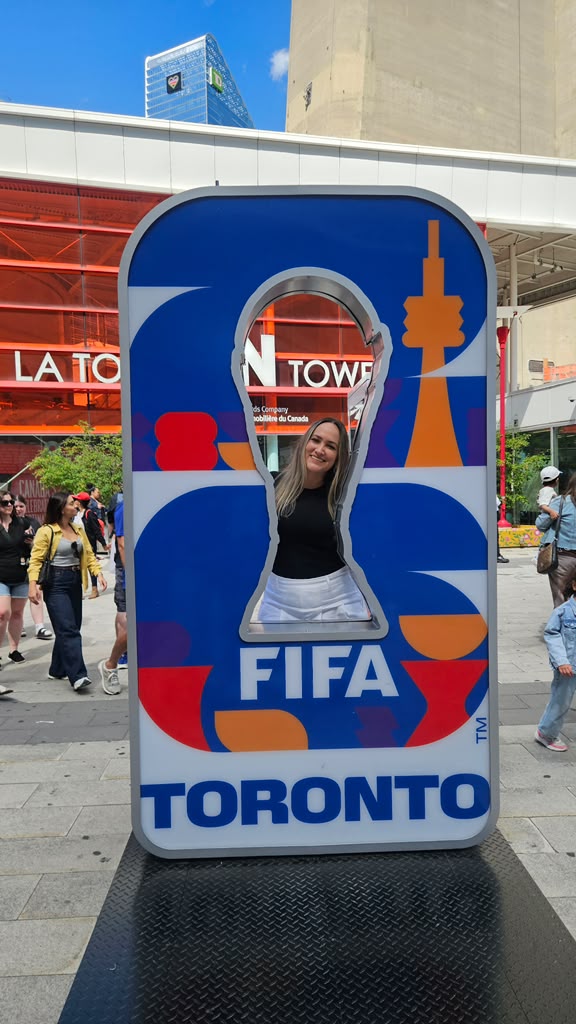
Day one arrives and even though you are a regular traveler, so many things surprise you. The level of organization and security required for an event of this scale. The size of the stadiums. The atmosphere inside and outside them. The number of fans, their initiatives, their creativity, the passion that is palpable everywhere you look. It is more than what you see on television. Significantly more.
But not everyone gets tickets to matches. That is why there are alternatives, giant screens surrounded by other fans, Fan Zones created to enjoy parallel experiences, entire neighborhoods that become living extensions of the event itself. Being close to the stadiums means being inside all of it, not just the ninety minutes on the pitch.
Just like there is halftime, there are the days between matches when the teams are not playing. These are the perfect time to step away from the football madness and discover a city that you may not have known before. Whether you are a football fan or not, it surely has more to offer. I chose not to go all out on the offensive by filling every hour with things to do because exhaustion is real, and it is the most underrated thing that can quietly ruin a trip. I preferred to play it a bit more safe and leave room for rest. It is the most underrated travel tip there is.
Why Traveling to a Sporting Event Is Worth It Even When Your Team Does Not Win
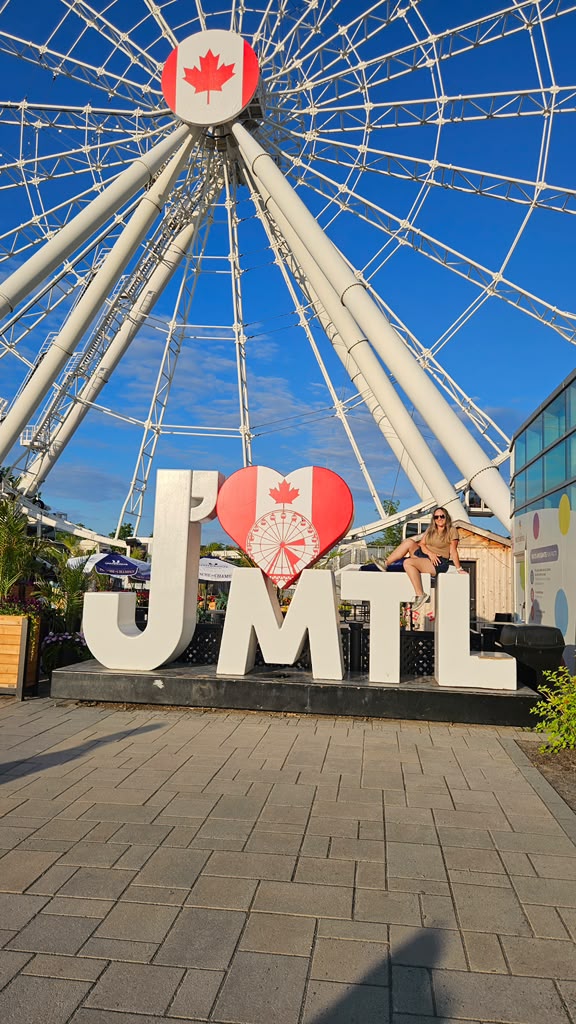
My extra time, the days I added beyond the matches, were more than enough to stay and explore cities that deserved a visit on their own terms. My journey covered thousands of kilometers, by air, train, sea, and on foot.
There were unexpected moments along the way. Running out of data due to a network outage. A temporary credit card block. But a frequent traveler always has a plan B. These were minor issues, easily resolved, like a player substitution or a comeback after a cooling break. They were not the story. They were just part of the game.
Is it worth traveling to a sporting event? Absolutely, at least once in your life, and especially if your country qualifies. A die-hard fan who only wants to watch the matches will hardly have the same experience as someone who takes advantage of the trip to learn about a different culture, to wander a city they never planned to visit, to let the crowd and the energy and the chaos teach them something they did not expect to learn.
The destination becomes the backdrop. The reason becomes the journey.
Frequently Asked Questions About Sporting Event Travel
Q: How far in advance should you book travel for a major sporting event?
A: The earlier you begin, the better your options. Tickets for major sporting events typically require research and applications five to six months before the event, and in some cases earlier depending on the scale of the competition. Accommodations in centrally located areas fill quickly once ticket allocations are confirmed, particularly for groups, and flights become significantly more expensive as the event approaches. Beginning the planning process six months out is a reasonable minimum. A year out is better. Working with a travel advisor who understands sporting event travel means you are not navigating that timeline alone.
Q: Is it worth traveling internationally to watch a sporting event live versus watching it at home?
A: There is no comparison. Watching a sporting event live, inside a stadium surrounded by tens of thousands of fans from around the world, is an experience that television cannot replicate. The atmosphere, the scale, and the shared emotion of being physically present when something historic happens are things you feel in your body, not just your eyes. Beyond the event itself, international sporting event travel places you inside a host city at its most alive, most celebrated, and most culturally generous moment. The food, the people, the energy in the streets, and the conversations with strangers who share nothing with you except a love for the sport all add up to something that stays with you in a way a broadcast never could. If the opportunity exists, go.
Q: What makes sporting event travel different from planning a regular international trip?
A: The primary difference is that major sporting events compress demand into a very short window. Accommodation, transportation, and access all become significantly more competitive and more expensive within the event window. The emotional stakes are also higher, meaning a logistical problem that would be a minor frustration on a leisure trip can feel much more significant when it threatens the sporting event experience you traveled thousands of kilometers for. Planning with more lead time, more flexibility, and more support than you think you need is what separates a seamless sporting event trip from a stressful one.
Sporting event travel is some of the most meaningful travel there is. The stakes are personal. The memories are permanent. And the planning, done well, disappears entirely into the background so that all you feel is the experience itself.
If you are considering traveling for the World Cup, the Olympics, Wimbledon, the US Open, a Formula One race, the Super Bowl, or any sporting event that has been on your list, we would love to help you design it properly. If you want to understand how that process works before reaching out, you can read more about what a luxury travel advisor actually does and how we approach building a journey from the inside out.
Email: [email protected]
Phone: 1-800-566-7574
About the Author
Dorcas Osorio is a travel advisor specializing in Switzerland, Finland, Australia, Italy, and France. She designs journeys for travelers who want to experience a destination from the inside, not from a highlight reel. She serves clients across the United States and beyond.


